
How to Convert Currency When Traveling Abroad

Travelers at airport preparing for international flight.
Traveling abroad is exciting—but dealing with foreign money can feel confusing if you’re not prepared. Whether you’re heading to Europe, the Caribbean, or anywhere else in the world, understanding how to convert currency can save you money, time, and stress.
In this guide, you’ll learn exactly how currency conversion works, the best ways to exchange money, and how to avoid unnecessary fees while traveling.
What Is Currency Conversion?
Currency conversion is the process of changing one country’s money into another. For example, converting U.S. dollars (USD) into euros (EUR) when traveling to Europe.
Every currency has a value based on the global market, called the exchange rate.
Example:
- 1 USD ≈ 0.92 EUR (rate changes daily)
This means:
- $100 USD ≈ €92 EUR
Quick Example: Convert Currency Easily
Here’s a simple example to help you understand:
If: 1 USD = 0.92 EUR
Then:
$50 USD = €46
$200 USD = €184
TIP:
Always check current rates before traveling, since they change daily.
1. Best Ways to Convert Currency While Traveling
✔ Fast
✔ Accurate
✔ Updated in real-time
Use a Currency Converter Tool (Recommended)
The easiest and most accurate way is to use an online converter—like the one on your website.
2. Use Your Debit Card at ATMs
Many credit cards:
- Withdraw local currency directly
- Usually gives better rates than exchange counters
TIP:
Choose “local currency” instead of USD when prompted (this avoids extra fees).
3. Use Credit Cards with No Foreign Transaction Fees
Many credit cards:
- Offer competitive exchange rates
- Have built-in fraud protection
TIP:
Avoid cards with 3% foreign transaction fees.
4. Avoid Airport Currency Exchange Booths
These are the most expensive option because:
- High fees
- Poor exchange rates
TIP:
Only use them in emergencies.
How to Avoid Losing Money on Exchange Fees
Here are simple ways to keep more money in your pocket:
✔ Compare exchange rates before converting
✔ Use bank ATMs instead of kiosks
✔ Avoid converting money multiple times
✔ Notify your bank before traveling
✔ Use travel-friendly cards
Should You Exchange Money Before You Travel?
Yes — but only a little. It’s smart to have a small amount of local currency for:
- Transportation
- Food Tips
Understanding Exchange Rates
(Simple Explanation)
Exchange rates change based on:
- Supply and demand
- Economic conditions
- Global events
That’s why:
- Rates today may be different tomorrow
Use a Currency Converter Before You Travel
Before your trip, always check how much your money is worth.
- Check real-time exchange rates using our Currency Converter Tool before converting.
This helps you:
✔ Plan your budget
✔ Avoid surprises
✔ Spend smarter
What Are Currency Exchange Fees?
Currency exchange fees are extra charges added when converting money from one currency to another. These fees can come from banks, ATMs, or exchange services and may include hidden markups in the exchange rate.
Avoiding high fees can save you a significant amount of money while traveling.
Try It Now: Live Currency Converter
Use our Currency Converter Tool below to check real-time exchange rates instantly.
Tip: Select your currency from the dropdown to convert between different currencies instantly.
Real-Life Travel Example
Let’s say you’re traveling to Paris:
- Coffee: €3 → about $3.25
- Lunch: €15 → about $16
- Hotel: €120 → about $130
Knowing this ahead of time helps you:
- Budget better Avoid overspending
Final Tips for First-Time Travelers
✔ Always check exchange rates before spending
✔ Use a mix of cash + card
✔ Avoid exchanging money at airports
✔ Use trusted tools (like your converter site)
✔ Keep track of your spending daily
Still have questions? Here are some quick answers to help you better understand currency conversion while traveling.
Frequently Asked Questions
How do I get the best exchange rate when traveling?
Use ATMs or credit cards with no foreign transaction fees. Avoid airport exchange counters when possible.
Should I exchange money before traveling?
Yes, but only a small amount for immediate expenses like transportation or food.
Is it better to pay in USD or local currency?
Always choose local currency to avoid extra conversion fees.
How often do exchange rates change?
Exchange rates can change daily based on market conditions.
What is the cheapest way to exchange currency?
Using bank ATMs or credit cards with no foreign transaction fees is usually the cheapest option.
Conclusion
Converting currency doesn’t have to be complicated. With the right tools and a little planning, you can travel confidently, avoid extra fees, and make the most of your money.
Before your next trip, take a few minutes to check exchange rates and plan ahead—you’ll thank yourself later!
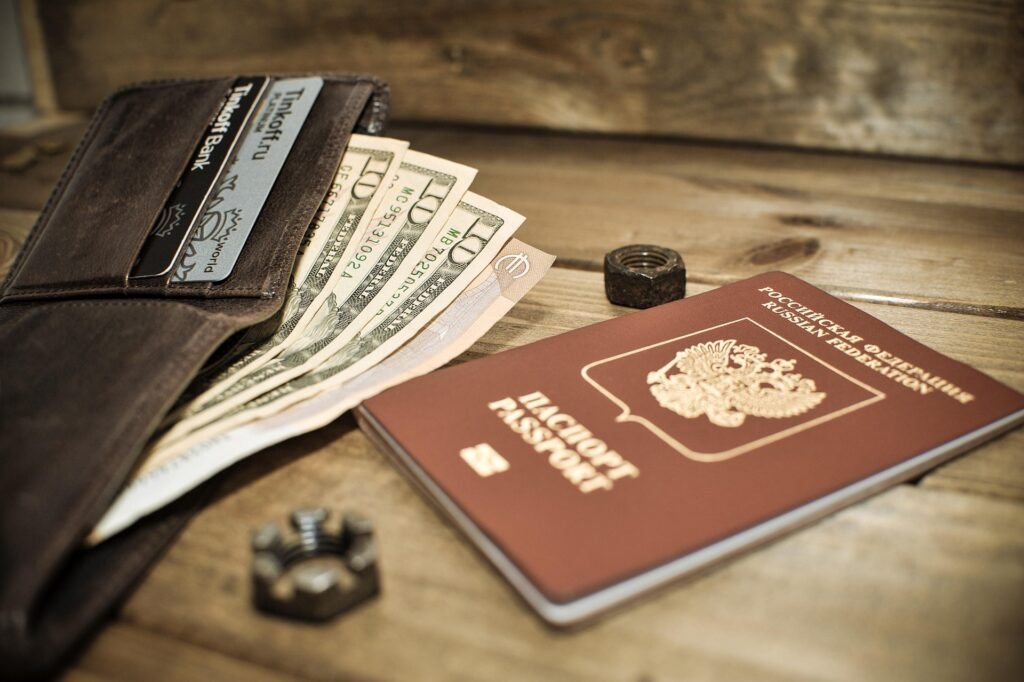
Passport and cash for international travel.
Related Guides
Convert USD to EUR
Quickly convert US dollars to euros with live rates
Convert USD to MXN
See real-time exchange rates for US dollars to pesos
Convert USD to GBP
Quickly convert US dollars to euros with live rates
*Bookmark this page to quickly check exchange rates before and during your trip.